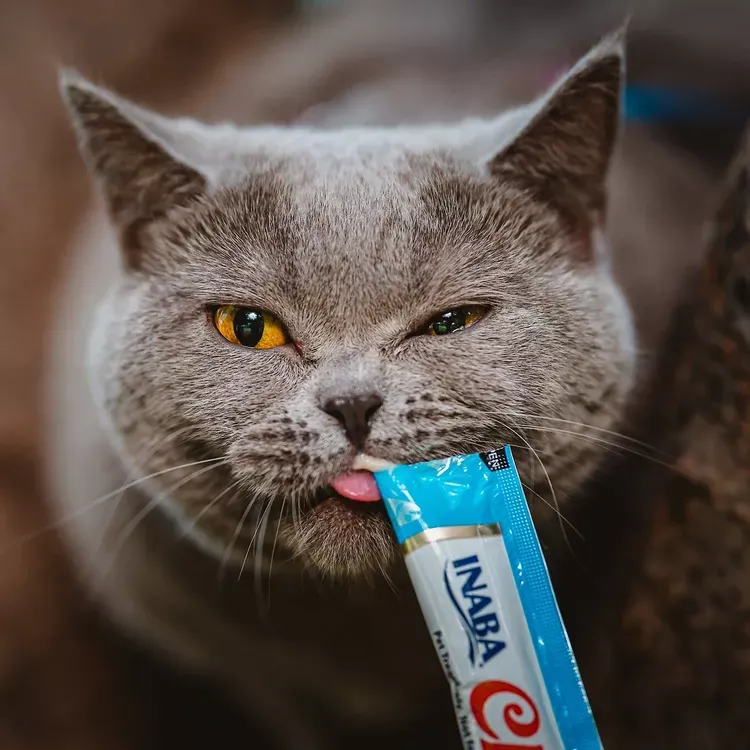
I started using toppers because one of my cats decided, around age four, that the food she had eaten happily for two years was now beneath her. Some mornings she would sniff the bowl and walk off. A little freeze-dried chicken crumbled over the top fixed it in about ten seconds, and I have been a topper person ever since.
That said, most topper roundups oversell them. Toppers are not magic, they are not complete food, and used carelessly they will quietly make your cat fat or throw off a diet you spent months getting right. So this guide is half product picks and half the stuff I wish someone had told me: the calorie numbers, which formats do which job, and the couple of dangerous ingredients hiding in “flavored” broths.
I have grouped picks by the job you are hiring them for: dry sprinkle-on toppers, raw mixers, wet broths and purees, hydration, and indoor weight-aware options. If you already know what you want, jump to the table.
How I picked these
I have fed six of these to my own two cats over the past couple of years, and researched the rest against what a topper actually needs to do. My criteria, in rough order of weight:
- Purpose fit. A hydration broth and a probiotic powder are not competing for the same slot. I judged each against its own job, not a single leaderboard.
- Clean ingredients. A named protein up front, and no onion or garlic in any form. Long filler lists dressed up as nutrition are an automatic mark against.
- Calorie transparency. I want to know kcal per serving so I can do the 10 percent math. Toppers that hide this annoy me.
- Acceptance. Did cats actually eat it, or eat around it. Aroma and texture matter more than the marketing copy.
- Value. Some perfectly good toppers are overpriced for what they do. I say so where that is the case.
One thing up front, because it matters more than any product: toppers are complementary foods. They ride on top of a complete, AAFCO-balanced base diet. If you are still choosing that base food, start with our guide to picking a complete cat food, then come back. And when in doubt about your specific cat, especially one with kidney, urinary, or weight issues, ask your vet. Nothing here is a substitute for that.
Comparison table
Calories are per typical serving as labeled. “Dry-compatible” means it sprinkles onto kibble and stays put without turning to sludge.
| Product | Format | Calories/serving | Dry-compatible? | Fridge after opening? | Best for |
|---|---|---|---|---|---|
| Fancy Feast Broths | Wet broth | ~18 / pouch | No (pools off kibble) | Yes, 1-2 days | Picky eaters, moisture |
| Instinct Raw Boost Mixers | Freeze-dried raw | ~35 / tbsp | Yes | No, shelf-stable | Raw benefits on kibble |
| Stella & Chewy’s Meal Mixers | Freeze-dried raw | ~50-70 / tbsp | Yes | No, shelf-stable | Premium raw topper |
| PureBites Freeze-Dried | Freeze-dried single-ingredient | ~15 / tbsp | Yes | No, shelf-stable | Indoor / weight-aware |
| Open Farm Chicken Bone Broth | Wet bone broth | ~15 / 2 tbsp | No | Yes, ~5 days | Hydration, joint support |
| Tiki Cat Broth / toppers | Wet broth | ~12-25 / pouch | No | Yes, 1 day | Premium wet, hydration |
| Inaba Churu | Lickable puree | ~6 / tube | Partly | No, use quickly | Low-calorie, picky eaters |
| Pro Plan Calming Care | Probiotic powder | negligible | Weak on dry | Optional | Stress, behavior |
| Zesty Paws Probiotic | Probiotic powder | negligible | Weak on dry | No, shelf-stable | Gut and immune health |
Quick picks
- Best overall: Purina Fancy Feast Broths. Cheap, high-moisture, and the strong fish aroma is the most reliable refusal-fixer in my cupboard.
- Best raw mixer: Instinct Raw Boost Mixers. Freeze-dried raw protein you sprinkle on kibble.
- Best hydration broth: Open Farm Chicken Bone Broth. Clean ingredients, collagen from long simmering, easy pour.
- Best low-calorie: Inaba Churu. About 6 calories a tube, ideal for indoor cats.
- Best for behavior: Purina Pro Plan Calming Care. A studied probiotic strain for anxious cats.
- Best gut-health powder: Zesty Paws Probiotic Powder. Pre-measured sachets, travel-friendly.
Best dry cat food toppers (freeze-dried, sprinkle-on)
If you feed kibble, this is the category you want. “Dry” toppers are freeze-dried and shelf-stable, so they crumble over dry food, stay put, and add concentrated protein and aroma without turning the bowl into soup. They are also the most convenient: no fridge and no short use-window to worry about. The tradeoff is that they are calorie-dense, so portion matters (more on that below).
Instinct Raw Boost Mixers
These are my default kibble topper. Each piece is freeze-dried raw chicken with organ and ground bone, and they crush easily between two fingers so the crumbs coat the kibble rather than sitting in a pile my cat can nose around. Grain-free, no artificial colors, and the cage-free chicken is the first ingredient. My pickier cat cleans the bowl when these are on it.
The downsides: fat content runs high, and the pieces are calorie-dense enough that you cannot just dump a handful on. I use maybe a teaspoon crumbled per meal and cut her kibble a touch. There is a rabbit version if you are rotating novel proteins.
Key features: freeze-dried raw chicken with organ and bone, grain-free, shelf-stable, ~35 kcal/tbsp, sprinkles cleanly onto kibble.
Check Instinct Raw Boost Mixers on Amazon
Stella & Chewy’s Freeze-Dried Raw Meal Mixers (best premium dry topper)
If you want to spend a bit more for a step up, Stella & Chewy’s is the premium pick in this category. The mixers are 98 percent meat, organ, and bone with wild-caught or cage-free proteins, and the morsels have a stronger aroma than most, which is exactly what you want for a stubborn eater. They are denser than the Instinct pieces, closer to 50 to 70 calories a tablespoon, so a little goes a long way.
I would not call them cheap, and for a cat that already eats well they are probably overkill. But for a finicky cat, or one you are trying to nudge toward more animal protein without switching the whole diet, they earn the price. If you find yourself using these daily, it might be worth looking at whether a proper freeze-dried or frozen raw food makes more sense than a topper.
Key features: 98% meat/organ/bone, wild-caught or cage-free protein, high aroma, ~50-70 kcal/tbsp, shelf-stable premium raw topper.
Search Stella & Chewy’s Meal Mixers on Amazon
PureBites Freeze-Dried Toppers
PureBites is the single-ingredient option: freeze-dried chicken, minnows, shrimp, and the like, nothing else. That simplicity is the point. If your cat has food sensitivities or you just want to know exactly what is going in the bowl, it is hard to beat one ingredient. They are also lower-calorie per volume than the raw mixers, which makes them a smart everyday sprinkle for indoor cats.
The catch is texture. Some of the freeze-dried whole pieces are large and better crumbled than served whole, or your cat picks them off and ignores the kibble underneath.
Key features: single-ingredient freeze-dried protein, no additives, ~15 kcal/tbsp, good for sensitive or weight-aware cats.
Search PureBites Freeze-Dried Toppers on Amazon
Best raw cat food toppers
Raw toppers are freeze-dried mixers, and there is a lot of overlap with the dry category above, because the best “dry” toppers happen to be raw. The idea is to give a kibble-fed cat some of the benefits of raw, more animal protein, organ meat, and a strong natural aroma, without committing to a full raw diet, the freezer space, or the food-safety routine that comes with it.
My two picks here are the same two workhorses: Instinct Raw Boost Mixers for everyday use and value, and Stella & Chewy’s Meal Mixers when you want the higher meat percentage and stronger smell. Both are reviewed just above.
A few notes on raw toppers specifically. They are the most calorie-dense format, so the 10 percent rule bites hardest here, do not eyeball it. They are also not a shortcut to a “raw diet,” a sprinkle of mixer on kibble is a topper, full stop. If the goal is to feed raw, read our freeze-dried and frozen raw food guide and transition properly rather than trying to get there one topper at a time.
Best wet cat food toppers (broths and purees)
Wet toppers do the two things dry ones cannot: add moisture, and deliver a warm, gravy-forward aroma that finicky cats find hard to resist. The tradeoff is convenience. Most need refrigeration after opening, they have short use-windows, and poured over kibble they tend to pool at the bottom rather than coat the food. On wet food, though, they are excellent.
Purina Fancy Feast Broths (best overall value)
This is the one I reach for most, and it is cheap. Three fish-forward flavors, high moisture, no artificial colors, and a protein or broth as the first ingredient. The smell is strong (great for cats, less great when you open one at 6 a.m.), and it is the single most reliable “she is not eating, try this” tool in my cupboard. It doubles nicely as a way to hide a crushed pill.
Downsides are minor: guar gum and tapioca starch are in there, which a sensitive stomach might not love, and at ~18 calories a pouch you should still account for it if you are pouring one daily.
Key features: three fish flavors, high moisture, no artificial colors, ~18 kcal/pouch, refrigerate leftovers 1-2 days.
Check Purina Fancy Feast Broths on Amazon
Tiki Cat Broth and toppers (premium wet pick)
When I want something a notch above Fancy Feast, Tiki Cat is where I go. Cleaner label, recognizable chunks of fish or chicken in a light broth, and no gums or fillers in most of the lineup. It is more expensive per pouch, and my cats do not obviously prefer it over the cheaper broth, so I treat it as an occasional upgrade rather than the everyday pour. For a cat that turns its nose up at everything else, though, the higher meat content and cleaner broth can be the thing that works.
Key features: shredded protein in light broth, no gums or fillers, premium wet topper, refrigerate after opening.
Search Tiki Cat Broth on Amazon
Inaba Churu Lickable Purees
Churu is technically a treat, but the tubes make a sneaky low-calorie topper at about 6 calories each. You squeeze a line across wet food and the smooth puree spreads flavor without adding much of anything to the diet, which is why it is my top suggestion for cats on a weight plan. The flavor range is huge.
The classic failure mode: some cats lick the Churu off and leave the actual food untouched. Mix it in rather than laying it on top, or use half a tube stirred through. If your cat loves the format, our lickable cat treats guide covers more squeezable options.
Key features: ~6 kcal/tube, high moisture, huge flavor range, best mixed in rather than dabbed on top.
A wet topper is only as good as the food under it. If your base is kibble and you want to lean more on moisture, consider moving some meals to canned, our best canned cat foods roundup covers complete wet diets a broth topper pairs naturally with.
Cat food toppers for hydration
This is the medical-adjacent use case, and the one I think is most underrated. Cats evolved to get most of their water from prey, and many, especially dry-fed cats, run chronically under-hydrated. Low water intake is tied to urinary and kidney trouble, which are exactly the conditions you do not want to be managing later. Liquid toppers and simply adding water to food are a useful lever here.
What works: pour a broth topper over each meal, or add a tablespoon or two of warm water to wet food to loosen it into a gravy. My picks for this are Open Farm Chicken Bone Broth and Fancy Feast Broths, plus any low-sodium cat broth.
Open Farm Chicken Bone Broth
Open Farm is my hydration pick. It is a real bone broth simmered long enough to pull out natural collagen, made with humanely raised chicken, no hormones or antibiotics, and it comes in a resealable pouch that actually pours cleanly. Suggested serving is about 2 tablespoons per 10 pounds of body weight, which is an easy daily moisture boost. There are turkey and beef versions for rotation.
Two caveats: it includes a couple of botanical extras like turmeric I would rather not see in a cat product (harmless in these amounts, but unnecessary), and it is not meant for kittens under a year. For a deeper look at broths specifically, including joint-support options, see our bone broth for cats guide.
Key features: long-simmered real bone broth, natural collagen, humanely raised chicken, resealable pouch, ~15 kcal per 2 tbsp.
Check Open Farm Chicken Bone Broth on Amazon
A topper is only half the hydration fight. The other half is making water itself appealing, most cats drink more from moving water. A fountain plus a broth topper is the combination I would actually recommend, and our cat water bowls and fountains guide covers what to look for.
Best cat food toppers for indoor cats
Indoor cats burn fewer calories and gain weight more easily, so the topper math is stricter. A calorie-dense raw mixer poured on with a heavy hand is how an indoor cat quietly ends up two pounds over. What you want here is flavor and enrichment with as few extra calories as possible.
My indoor-cat shortlist:
- Inaba Churu at roughly 6 calories a tube. Basically free, calorie-wise, and it makes mealtime interesting.
- PureBites single-ingredient freeze-dried, used as a light sprinkle. Pure protein, easy to keep the portion tiny.
- A low-sodium broth for moisture without much energy, which also helps an indoor cat that does not drink enough.
Whatever you pick, weigh your cat monthly and trim the base food when you add a topper. Enrichment for an indoor cat matters, boredom is a welfare issue, but it should not come as a side of extra fat.
Best toppers for a senior or underweight cat that won’t eat
A cat that is thin, elderly, or recovering from illness has the opposite problem from an indoor cat on a diet. Here the goal is to get calories in, and the 10 percent cap does not apply the same way, you are trying to rebuild an appetite rather than cap it. Aroma does most of the work, so warm the food and lead with the smelliest options.
What I reach for:
- Fancy Feast Broths, warmed slightly. The strong fish smell is the most reliable way to restart a stalled appetite, and the moisture helps a senior cat that is also drinking too little.
- Stella & Chewy’s Meal Mixers for calorie density. When every bite counts, a high-meat, high-aroma mixer packs more energy into a small volume than a lean sprinkle does.
- Inaba Churu, offered off a finger or spoon. Some cats that will not approach a bowl will still lick a warm puree, which can be the first step back to eating.
One caution that matters more here than anywhere else: sudden appetite loss in a senior or sick cat is a medical sign, not a flavor problem. Use these to encourage a cat your vet has already checked, not as a substitute for that visit.
Probiotic and behavior toppers
These are a different animal from flavor toppers. They deliver supplements, not calories, and they work over weeks of consistent daily use rather than in one meal. Do not expect an overnight change.
Purina Pro Plan Calming Care
Sprinkled on food daily for at least six weeks, this probiotic (a specific studied strain) is aimed at anxious, stressed, or reactive cats, and there is research behind the calming claim via cortisol modulation. I used it during a stressful move and thought it took the edge off, though that is a sample size of one cat. It is liver-flavored, so palatability is not usually the problem.
The limits: it needs weeks to do anything, continued use gets pricey, and it adheres better to wet food than dry.
Key features: studied probiotic strain for stress and behavior, liver-flavored, needs ~6 weeks of daily use, best on wet food.
Check Pro Plan Calming Care on Amazon
Zesty Paws Probiotic Powder
For general gut and immune support rather than behavior, Zesty Paws is my pick. Pre-measured pumpkin-flavored sachets make dosing foolproof and travel easy, and each holds 400-plus million CFU of the DE111 (Bacillus subtilis) strain. It shines on wet food; on dry kibble the powder does not stick well and some ends up at the bottom of the bowl.
Not every cat likes pumpkin, so it is worth buying a small pack first. If gut health is your main concern, our cat probiotics guide compares more options.
Key features: 400M+ CFU DE111 strain, pre-measured sachets, pumpkin-flavored, shelf-stable, best mixed into wet food.
Check Zesty Paws Probiotic Powder on Amazon
How to choose a topper
Work through these in order and you will land on the right format fast.
1. Name the job. Picky eater, hydration, weight-aware enrichment, or a supplement. Each maps to a different format: freeze-dried raw for protein and aroma, broths and purees for moisture, low-calorie lickables for indoor cats, powders for probiotics. Buying the wrong format for the job is the most common mistake.
2. Check the calories. You want kcal per serving on the label so you can do the 10 percent math (below). A topper that hides its calorie count is a small red flag.
3. Read the ingredients. A named protein first, no onion or garlic in any form, and a short list. Be skeptical of “flavored” broths and anything marketed for humans.
4. Match it to your food. Freeze-dried and powders sprinkle onto kibble; broths and purees belong on wet food or need mixing so they do not just pool. Powders in particular cling poorly to dry food.
5. Think about storage. Wet broths and purees need the fridge and a short use-window. Freeze-dried and powders are shelf-stable and travel well. If you feed one cat slowly, small pouches beat a big tub you will not finish.
6. Buy small first. Cats have opinions. A trial size tells you in two days whether it was money well spent.
The one rule that matters: complete vs complementary
Every topper here is a complementary food. Your cat’s actual nutrition comes from a complete, AAFCO-balanced base diet, and the topper is seasoning on top of it. Lean too hard on toppers and you unbalance a diet that was doing its job.
The concrete guideline vets use: treats and toppers together should stay around 5 to 10 percent of daily calories. Here is the math.
A typical 10-pound indoor cat needs roughly 200 calories a day. Ten percent of that is about 20 calories for all toppers and treats combined. Now take a freeze-dried raw topper at 50 to 70 calories per tablespoon. Twenty calories is only about one teaspoon (a tablespoon is three teaspoons). So a calorie-dense raw mixer works out to about one teaspoon total per day, not the generous scoop the bag photo implies, and you should shave a little off the base food to make room. A 6-calorie Churu or a low-calorie broth barely dents that budget, which is exactly why they are the easy everyday choices.
Safety: the parts most roundups skip
Onion and garlic are toxic. Onion, garlic, chives, shallots, and leeks damage cat red blood cells, and garlic is several times more potent than onion. Small amounts, repeated, matter. This is the reason to be careful with “flavored” broths, the tuna-water trick, and human baby food, they frequently contain onion or garlic powder. Read every label and skip anything that lists them.
Watch the sodium. Plain tuna water and salted chicken broth add meaningful salt. Cats already get enough sodium from complete food, and a daily salty topper can nudge their electrolyte balance the wrong way over time. Use low-sodium or cat-formulated broths for daily use, and keep the salty human-food tricks occasional.
Introduce gradually. Start with a small amount of any new topper and watch for loose stool or a skipped meal for a day or two before making it routine. A slow change also tells you which topper caused a reaction if one shows up.
Know when it is not pickiness. This is the one to take seriously. A sudden refusal to eat food your cat used to enjoy can mean dental pain, nausea, a GI problem, or an allergy. If a topper does not turn things around within a day or two, that is a vet visit, not a cue to buy a fancier topper.
How to use a topper on a picky eater
A few tricks that actually move the needle, learned mostly by trial and error:
- Sprinkle across the whole bowl, not one dab. A single pile lets a clever cat eat the good part and abandon the rest. Spread crumbs over everything so flavor is in every bite.
- Warm wet toppers slightly. Aroma is the main driver of acceptance, and a few seconds of warmth (test it, lukewarm not hot) wakes up the smell.
- Rotate two or three flavors. Cats habituate. Alternating fish, chicken, and a broth keeps novelty up and prevents the “she loved it for a week then quit” cycle.
- Mix, do not just top. For lickables especially, stir it through so your cat cannot separate topper from food.
- Give it a beat. Put the bowl down and walk away. Hovering stresses some cats out of eating.
FAQ
What are cat food toppers, and are they complete food? Toppers are supplemental products you add to a regular meal to boost flavor, moisture, protein, or gut health. They come as broths, freeze-dried raw morsels, lickable purees, and probiotic powders. They are complementary, not complete, so they sit on top of an AAFCO-complete base diet and never replace it.
How much topper should I actually add? Keep treats and toppers combined to about 5 to 10 percent of daily calories. For a 10-pound cat eating roughly 200 calories a day, that is around 20 calories. With a freeze-dried topper at 50 to 70 calories a tablespoon, that is about one teaspoon total per day, and you should trim the base food to compensate.
Which toppers are best for picky eaters? Aroma and moisture drive acceptance. High-aroma crumbly freeze-dried toppers sprinkled across the whole bowl, and warm broths, get the best results. Rotate a couple of flavors and warm wet toppers slightly.
What toppers help a senior or underweight cat eat more? When you are adding calories rather than capping them, lead with aroma and energy density. Warm a strong-smelling broth like Fancy Feast to restart a stalled appetite, use a high-meat mixer like Stella & Chewy’s to pack more calories into a small volume, and offer a warm Churu off a finger for a cat that will not approach the bowl. Sudden appetite loss in an older or sick cat is a medical sign, so pair these with a vet visit.
Are broth and tuna-water toppers safe every day? Cat-formulated low-sodium broths are fine daily. Salted broth, tuna water, and human baby food are riskier, many contain onion or garlic (toxic to cats) and add sodium. Read labels, avoid onion, garlic, chives, and leeks, and keep salty human-food tricks occasional.
Do cat food toppers help with hydration? Yes. Broths, liquid toppers, and added water raise total water intake, which supports urinary and kidney health, most important for dry-fed cats or those with a urinary history. A broth topper plus a fountain is a simple, effective combination.
Is a sudden refusal to eat just pickiness? Not always. A sudden appetite change can signal dental disease, GI trouble, nausea, or allergies. If a topper does not fix it within a day or two, call your vet instead of buying a fancier topper.
Related reading
- How to pick a complete cat food: the base diet every topper rides on top of.
- Best canned cat foods: complete wet diets that pair naturally with broth toppers.
- Best bone broth for cats: a closer look at broths for hydration and joint support.
- Best freeze-dried and frozen raw cat food: for when a raw topper turns into a real raw diet.
- Best lickable cat treats: more Churu-style squeezable options.
- Best probiotics for cats: comparing gut-health supplements beyond powders.
- Best cat water bowls and fountains: the other half of the hydration equation.